Needles in the Haystack
As a bridge between Eastern and Western medicine, my practice has often led to independent research and enquiries into how to improve care. Here are some of my writings and musings.

Rizzoli: Room to Improve?
At the world-renowned Rizzoli Orthopaedic Institute, is there room for improvement? A clinical audit.
Peri-operative Management of Patients Undergoing Major Limb Amputation:
A Clinical Audit at Rizzoli Orthopaedic Institute
Abstract
Phantom Limb Sensation (PLS), Phantom Limb Pain (PLP), and Residual Limb Pain (RLP) are common and clinically significant complications in patients undergoing major limb amputation, with a substantial impact on quality of life and the rehabilitation process. The peri-operative management of these conditions remains a therapeutic challenge, as there is still no clear consensus on the most effective preventive and treatment strategies.
The aim of this study was to evaluate the peri-operative management currently adopted at the Rizzoli Orthopaedic Institute in patients undergoing major upper and/or lower limb amputation, comparing it with the recommendations outlined in the institutional care pathway (“PDTA for patients undergoing lower limb amputation”), in order to conduct a clinical audit and identify potential areas for improvement.
A retrospective observational study was conducted on patients who underwent major amputation between 1 January 2023 and 31 December 2024. Demographic and clinical data were collected, including information on preoperative pain, intraoperative and postoperative anaesthetic and analgesic management, opioid and gabapentinoid consumption during the first five postoperative days, as well as the occurrence of PLS and PLP. A telephone follow-up was also performed to assess the persistence of RLP, PLS and PLP, the use of pharmacological and non-pharmacological treatments, adherence to the rehabilitation pathway, and patients’ subjective perception of quality of life.
The results showed substantial adherence of clinical practice to both the available literature and the institutional care pathway recommendations, particularly regarding the use of multimodal and loco-regional analgesic strategies. However, several areas for improvement were identified, especially in relation to the optimisation of preventive interventions and long-term follow-up. Furthermore, the observation of different patterns within specific patient subgroups, such as those undergoing amputation due to post-traumatic conditions, suggests the possible existence of distinct risk profiles that warrant further investigation. The relatively small sample size represents an additional limitation of the study.
Further prospective studies, involving larger patient populations and focusing on the prevention of chronic post-amputation pain, are needed to identify effective strategies to improve functional outcomes and quality of life in amputee patients.
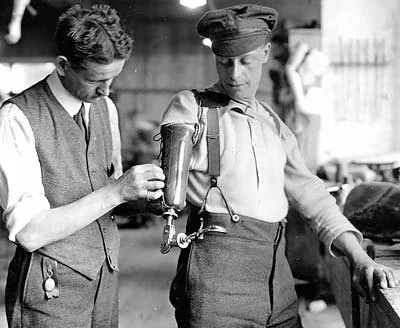
Acupuncture for Amputees?
Acupuncture for Amputees? A proposed study protocol.
Acupuncture as an Adjuvant Therapy in the Treatment of Phantom Limb Syndrome:
A Study Proposal
Background
Phantom Limb Syndrome (PLS), Phantom Limb Pain (PLP), and Residual Limb Pain (RLP) are common complications following limb amputation and represent a significant clinical challenge. These conditions are associated with complex multifactorial mechanisms involving peripheral nerve injury, central nervous system reorganisation, and psychological factors. Despite the availability of pharmacological and non-pharmacological treatments, conventional therapies often provide incomplete symptom control, leading to persistent pain, impaired sleep, and reduced quality of life. Acupuncture has been increasingly investigated as a complementary therapeutic approach for chronic pain conditions, including Phantom Limb Syndrome.
Objectives
This thesis aims to explore the potential role of acupuncture as an adjuvant therapy in the management of Phantom Limb Syndrome. The objectives are to review the current understanding of the pathophysiology and treatment of phantom limb conditions, examine the theoretical framework and therapeutic principles of Traditional Chinese Medicine (TCM), and propose a clinical study investigating the effectiveness of acupuncture combined with conventional therapy.
Methods
The work includes a narrative review of the literature on Phantom Limb Syndrome and Acupuncture, an analysis of diagnostic and therapeutic principles according to TCM, and the presentation of a clinical case report. The case report describes a patient with long-standing phantom limb pain following lower limb amputation who underwent acupuncture treatment using a two-phase approach: an initial symptomatic phase based on the Balance Method and a second phase aimed at restoring the circulation of Qi and Blood and addressing psychological components through Shen-regulating points. Based on the clinical experience and literature review, a randomised controlled study design is proposed to compare conventional postoperative therapy alone versus conventional therapy combined with acupuncture.
Results
In the presented case, acupuncture treatment was associated with a progressive reduction in pain episodes, improvement in sleep quality, and overall enhancement of psychological well-being and quality of life. The patient reported complete resolution of episodic phantom limb pain and significant improvement in functional status without adverse effects.
Conclusions
Acupuncture may represent a promising complementary therapy for the management of Phantom Limb Syndrome, potentially improving pain control, psychological well-being, and quality of life while reducing reliance on pharmacological treatments. However, current evidence remains limited, and well-designed randomised controlled trials are needed to confirm its effectiveness and define standardised treatment protocols.
Keywords: Phantom Limb Syndrome; Phantom Limb Pain; Residual Limb Pain; Acupuncture; Traditional Chinese Medicine; Chronic Pain; Rehabilitation.